

Option 1
L1 (5.3GH/s)
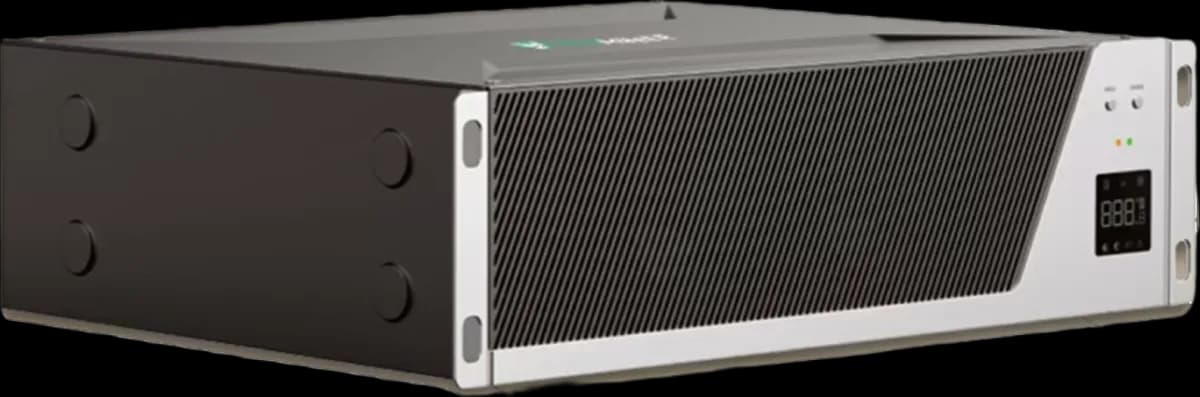
Option 2
BK-N (20KH/s)
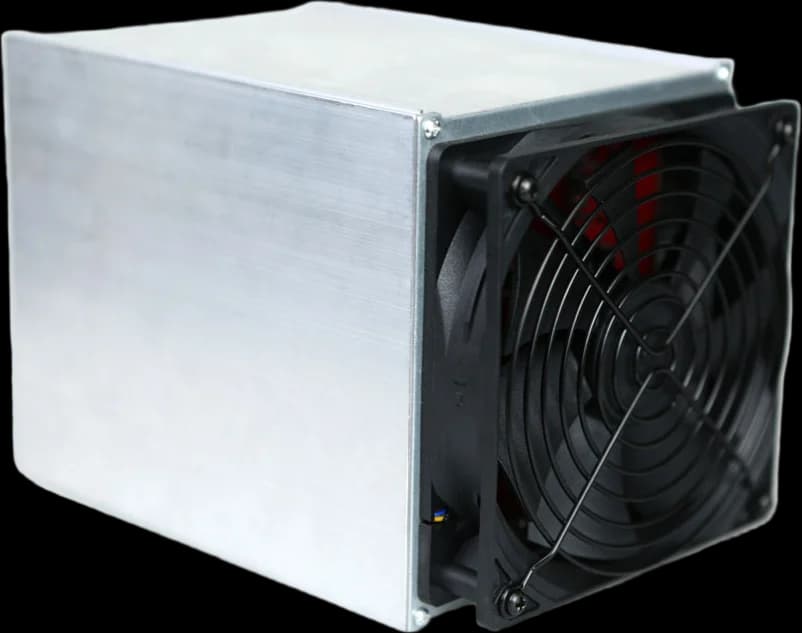
BK-N (20KH/s) leads this comparison
BK-N (20KH/s) comes out ahead on more buyer-facing signals here. L1 (5.3GH/s) can still be the better fit when budget, availability, or a specific mining setup matters more.
Profit estimates use currently available product data and a hosted electricity rate of $0.060/kWh.
Technical comparison
Side-by-side mining, operating, and commercial specs.
| Feature | L1 (5.3GH/s) | BK-N (20KH/s) | Advantage |
|---|---|---|---|
| Brand | Fluminer | Baikal | Contextual |
| Model | L1 | BK | Contextual |
| Hashrate | 5.3 GH/s Best | 20 KH/s | L1 (5.3GH/s) |
| Power Consumption | 1200W | 60W Best | BK-N (20KH/s) |
| Efficiency | 226.42 J/GH | 3.00 J/KH Best | BK-N (20KH/s) |
| Daily energy use | 28.8 kWh | 1.4 kWh Best | BK-N (20KH/s) |
| Net Daily Profit (Est.) | $0.62 Best | -$0.09 | L1 (5.3GH/s) |
| Monthly Profit (Est.) | $18.66 Best | -$2.59 | L1 (5.3GH/s) |
| Price | N/A | N/A | Contextual |
| Estimated ROI | N/A | N/A | Contextual |
| Cooling | AIR | AIR | Contextual |
| Dimensions | 140 x 450 x 300 mm | 198 x 139 x 125 mm | Contextual |
| Weight | 12800 g | 1800 g Best | BK-N (20KH/s) |
Performance
L1 (5.3GH/s) has the hashrate edge for raw output potential.
Efficiency
BK-N (20KH/s) is stronger when comparing joules per hash unit.
Buying decision
Check live stock, delivery schedule, and hosting capacity on the product page before placing an order.
Frequently asked questions
Which is more powerful: L1 (5.3GH/s) or BK-N (20KH/s)?
L1 (5.3GH/s) has a higher hashrate of 5.3 GH/s compared to BK-N (20KH/s)'s 20 KH/s.
Is L1 (5.3GH/s) more efficient than BK-N (20KH/s)?
BK-N (20KH/s) is more energy efficient at 3.00 J/KH.
Which miner has the better estimated ROI?
Estimated ROI is not available because one of the miners is missing current pricing or profit data.
Every Day You Wait is Revenue You Lose
Curious? Let’s connect to answer your questions.